Creating Your Winning Edge Through Intelligent Operations
Scalable omnichannel and inventory solutions for retail, F&B, and B2B. We turn operational complexity into your competitive advantage. Book ConsultationYour Partner for Operational Excellence
Edgeworks Solutions isn’t just a software provider; we are your growth partner. From seamless customer experiences to intelligent automation, we connect every dot of your business.
Our Mission: Creating a winning edge for our customers, staff, and society.
18+ Years of Excellence
3,000+ Businesses Powered
9 Specialized Industries Served
Empower Your Business with a Powerful POS System
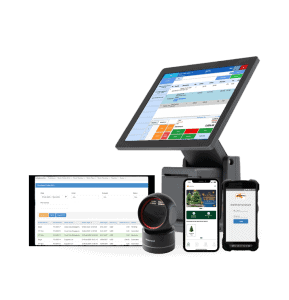
Edgeworks provides user-friendly and affordable POS systems to streamline your operations and boost revenue.
Why Choose Edgeworks Solutions
Our scalable systems adapt as your business expands. No costly system changes needed!
Minimize downtime and keep customer trust high with our dependable solutions.
Partner with a proven leader and boost your business’s reputation.
Our dedicated support team is always a call (or click) away for expert help when you need it.
Benefits of Using Edgeworks POS System
At Edgeworks, we go beyond being just a POS system. We are your strategic partner in business growth. Here’s how:
Boost Efficiency
Our POS system helps streamline your daily operations, reducing manual errors and boosting overall efficiency. Spend less time on administrative tasks and more time focusing on what matters most – growing your business.
Increase Revenue
With advanced features and analytics, you can identify sales trends, upsell strategically, and personalise promotions. Maximise revenue opportunities and enhance the overall profitability of your business.
Future-Proof Technology
Our POS System is built on cutting-edge technology, ensuring that your POS system evolves with the rapidly changing business landscape. Stay ahead of the competition with a future-proof solution that adapts to emerging trends.
Outstanding Customer Support
At Edgeworks, we pride ourselves on providing exceptional customer support. Our dedicated team is always ready to assist you, ensuring that your business runs smoothly without any hiccups.
Integrated Solutions for Modern Business
At Edgeworks, we understand that the foundation of every thriving business is built upon scalability, reliability, and credibility. Our mission? To empower you with a solution that not only meets your current needs but propels you towards future growth.
Omnichannel Integration
Seamless experiences that drive revenue.
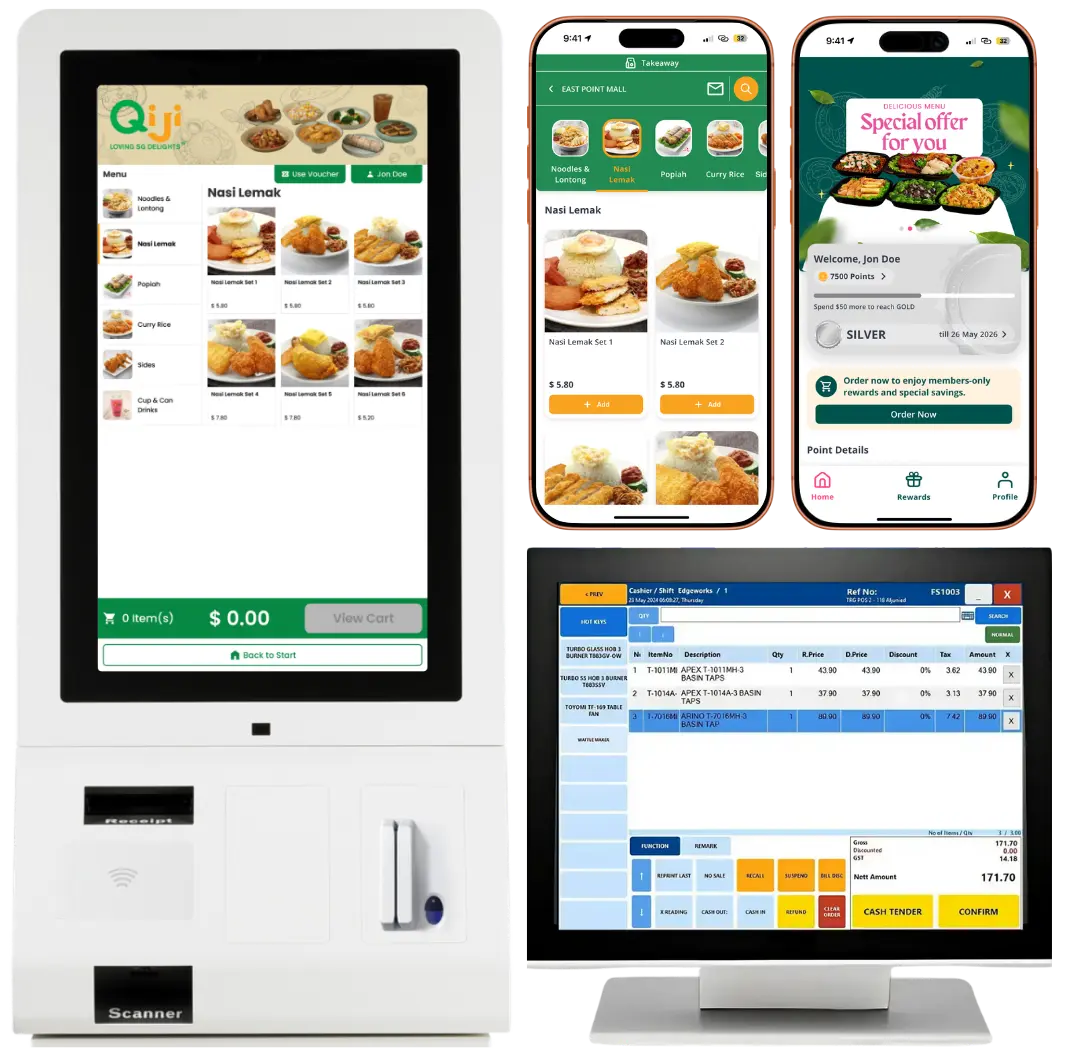
- Integrated Experience: Seamlessly link your physical POS, online webstore, mobile apps, and major marketplaces.
- Real-Time Sync: Never oversell. Inventory updates instantly across all channels.
- Unified Fulfillment: Enable Click-and-Collect and cross-channel returns.
Business Impact:
- Capture sales from every channel without operational chaos.
- Prevent lost sales from “out of stock” when inventory exists elsewhere.
- Build customer loyalty through consistent, convenient experiences.
- Expand revenue streams without multiplying complexity.
Point of Sales & Transaction Systems
Flexible processing for any business model.
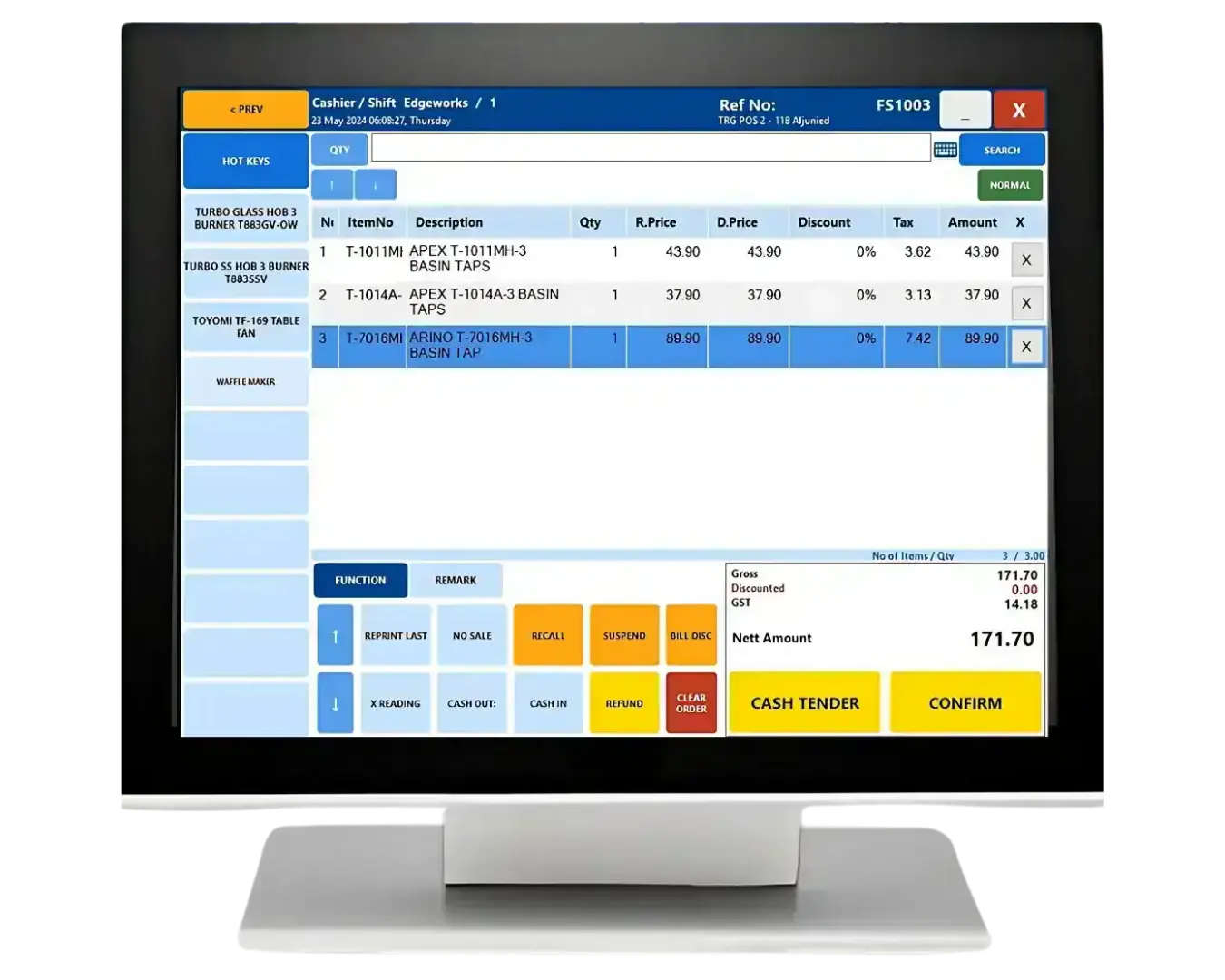
- Versatile Hardware: Windows-based for speed or Mobile POS for flexibility.
- Specialized Features: QR ordering, blind checkout, and commission tracking.
- B2B & KDS: Quotation portals for wholesale and Kitchen Display Systems for F&B.
Business Impact:
-
Faster checkout means serving more customers
-
Mobile POS brings transactions to customers
-
Flexible payment options increase conversion rates
-
Staff performance tracking improves accountability
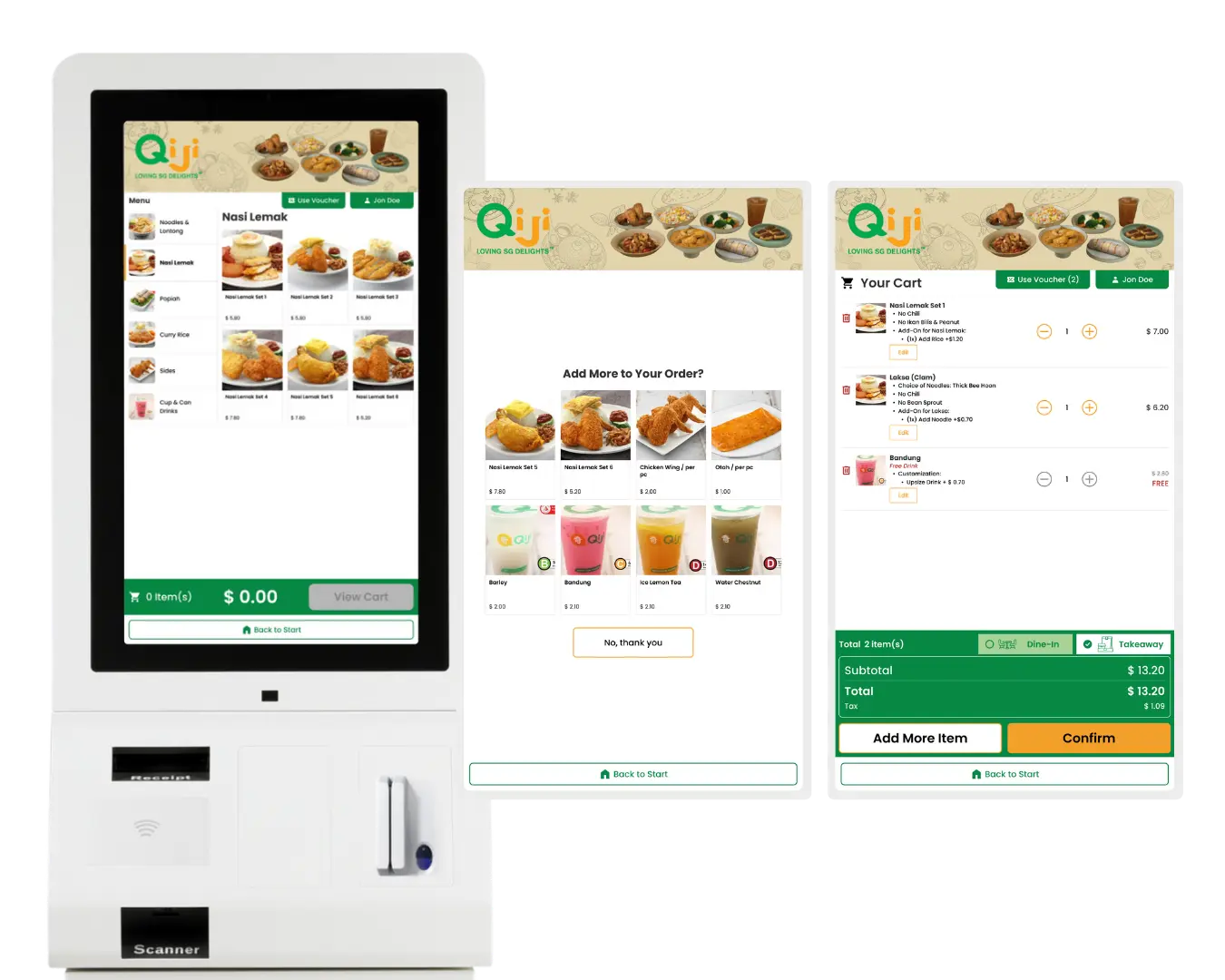
Self-Checkout Kiosks
Reduce costs. Eliminate queues.
- RFID Technology: Scan an entire basket of items instantly.
- Cost Reduction: Minimize staffing needs while extending operating hours.
- Integrated Payments: Supports NETS, credit cards, and contactless payment.
Business Impact:
- Serve more customers during peak hours by eliminating queue bottlenecks.
- Process multiple items in seconds using faster RFID technology.
- Eliminate human errors in scanning and pricing accuracy.
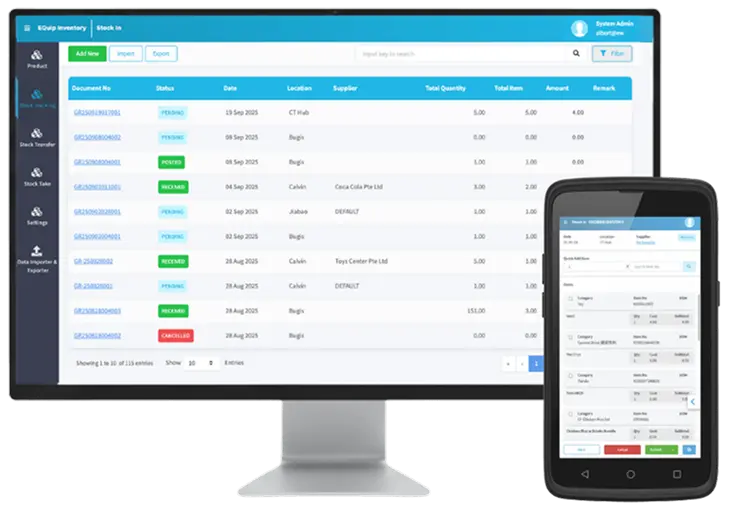
EQuip Inventory Management
The operational backbone of your business.
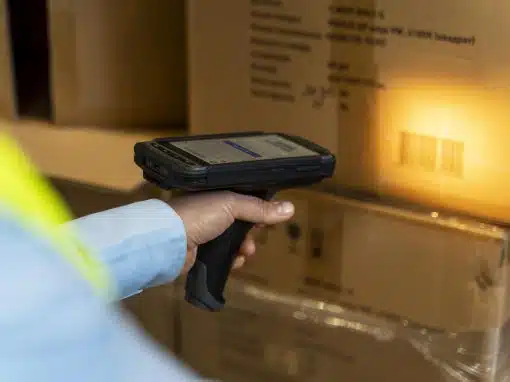
- Multi-Location Tracking: Seamless visibility across outlets and warehouses.
- Automated Replenishment: Smart reordering based on ABC/XYZ classification.
- Advanced Procurement: Purchase workflows with approval hierarchies.
Business Impact:
-
Never lose a sale due to stockouts when inventory exists elsewhere.
-
Identify slow-moving inventory before it becomes dead stock.
-
Enhance demand planning with automated classification reports.
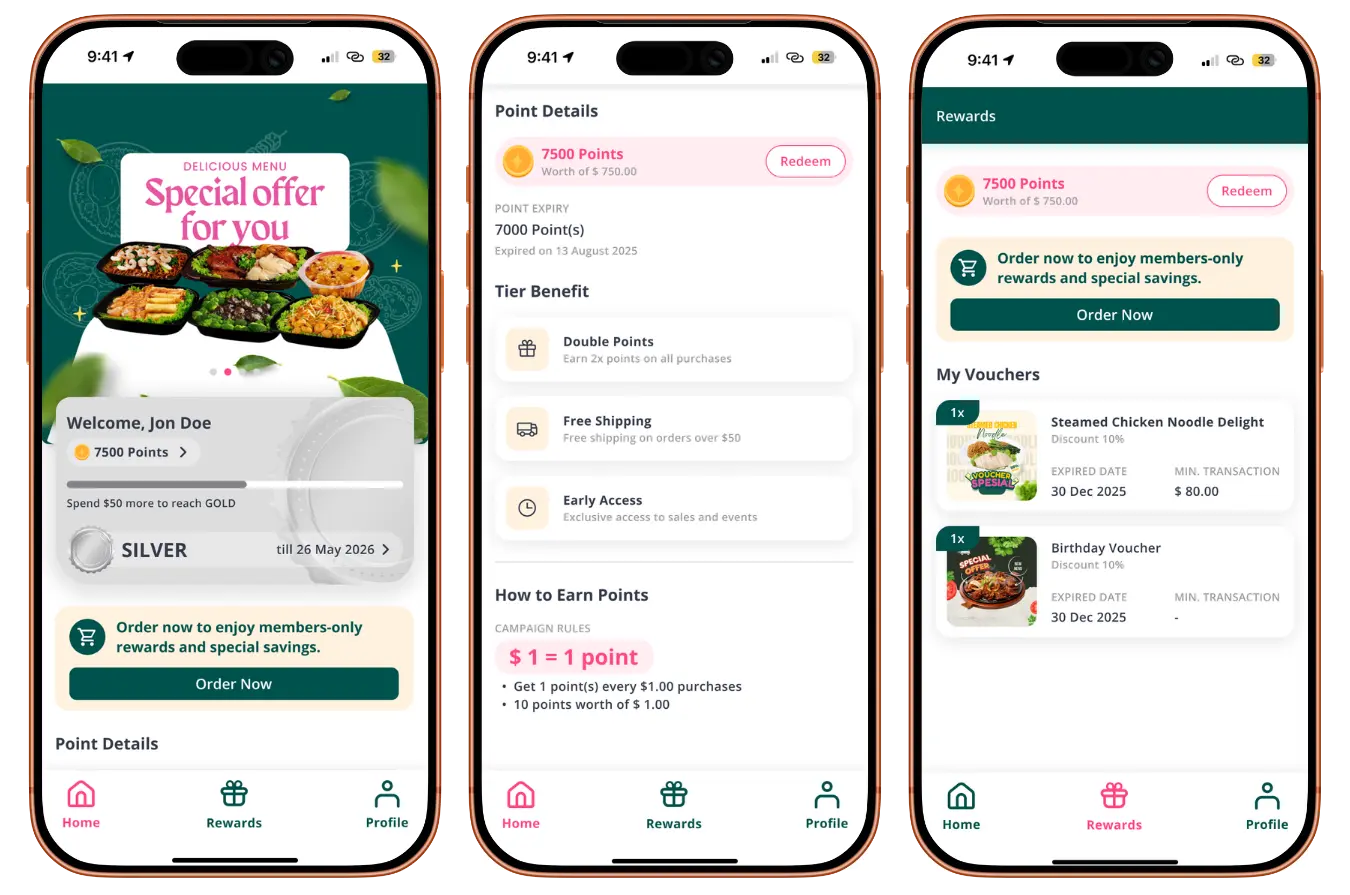
Customer & Member Management
Build loyalty that drives sustainable growth.
- Tiered Programs: Auto-upgrades and downgrades based on spending behavior.
- Automated Campaigns: Birthday bonuses, referrals, and win-back offers.
- Member Portals: Mobile apps for customers to track points and history.
Business Impact:
- Increase repeat purchase rates by 25-40%
- Higher average order values through tier incentives
- Reduced customer acquisition costs through referrals
- Data-driven insights into customer behavior
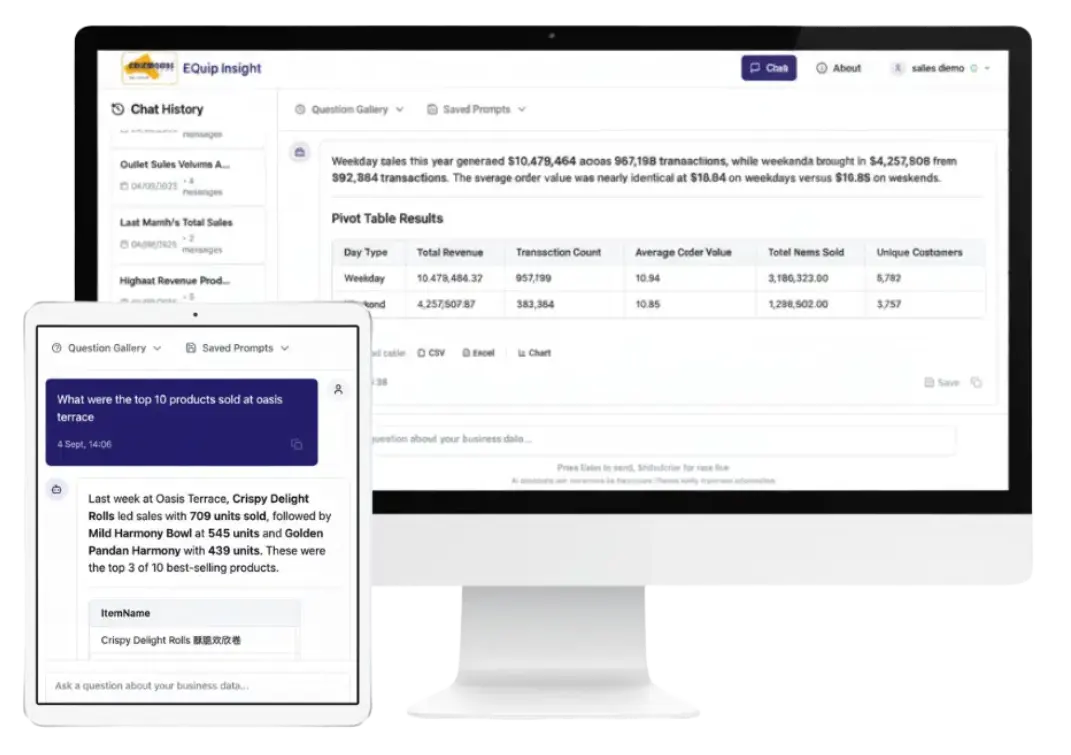
AI-Powered Business Intelligence
Turn data into decisions with conversational AI.
- Natural Language Queries: If you can ask it, you can analyze it.
- Instant Visualization: Automatic chart generation based on your questions.
- Actionable Insights: Identify slow-moving stock or top-performing staff in seconds.
Business Impact:
-
Get instant answers to complex scenario questions without digging through data.
-
Turn hours of manual analysis into minutes of instant insight.
-
Make confident strategic decisions backed by data instead of gut feeling.












Proven Across Diverse Sectors
We tailor enterprise-grade solutions for:

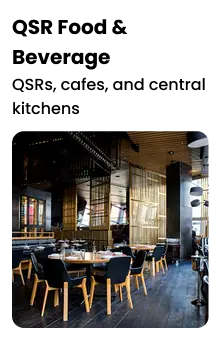
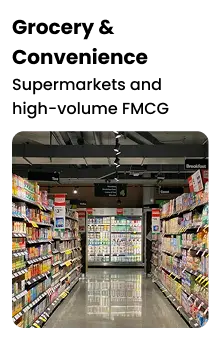
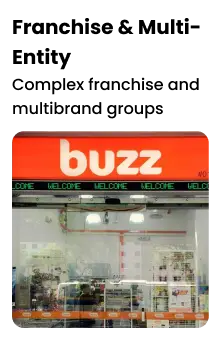
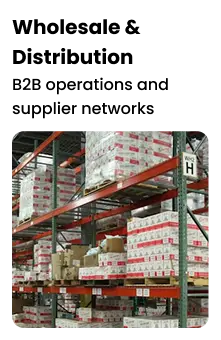




Why Edgeworks?
At Edgeworks, we go beyond being just a POS system. We are your strategic partner in business growth. Here’s how:

Trusted and Used by Many Big Companies
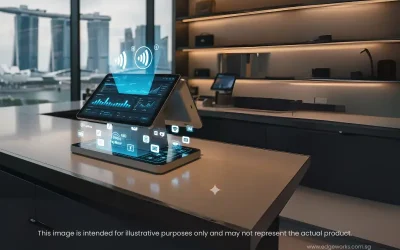
Future-Proof POS Systems: What Singapore SMEs Need for the Next 5 Years
The digital transformation of Singapore's retail and F&B landscape is accelerating at an unprecedented pace. As we look toward the next five years, future-proof POS systems have become more than just transaction tools—they're strategic business assets that can...
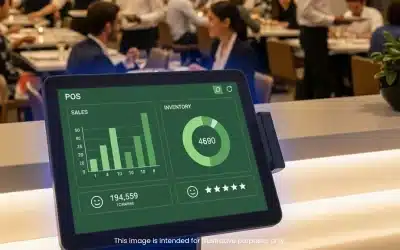
Reliable POS Support for Restaurants: Why It Matters More Than Price in F&B
Reliable POS support for restaurants sets the foundation for seamless operations, especially in today’s fast-paced Food & Beverage (F&B) industry. Every decision—from menu updates to staff training—impacts both efficiency and profitability. That’s why choosing...

AI Business Analytics: 5 Ways It Unlocks Hidden Profit
Beyond Spreadsheets: 5 Ways AI is Redefining Business Analytics for Singaporean SMBs AI business analytics is fundamentally changing how Singaporean SMBs operate, moving them beyond the late nights spent wrestling with spreadsheets and into an era of instant...
1. What industries do you serve?
We tailor solutions for 9 specialized sectors, including Retail & Apparel, F&B, Academic Institutions, Government, Wholesale, and Beauty & Wellness.
2. Does your system integrate with my current software?
Yes. We integrate seamlessly with major ERPs (SAP, NetSuite), ecommerce platforms (Shopify, WooCommerce), accounting software (Xero, QuickBooks), and delivery apps (GrabFood, Shopee).
3. Do I need technical skills to use the AI features?
No. Our system is AI Ready but user-friendly. Simply ask plain English questions like “What are my top-selling items?” to get instant answers without any coding or SQL knowledge.
4. How much can Self-Checkout Kiosks save me?
Our kiosks can reduce cashier staffing requirements by 30-50%. By using RFID technology, you can also speed up checkout times by up to 80% compared to traditional methods.
5. Is this suitable for businesses with multiple outlets?
Absolutely. We are built for complexity. Our system handles central distribution, inter-location transfers, and real-time inventory synchronization for businesses scaling from 3 to 50+ locations.
6. How does Omnichannel integration prevent overselling?
We sync your inventory in real-time across all channels. If an item sells on Shopee, the stock level instantly updates in your physical store and website to prevent “out of stock” errors.
7. Can the system handle B2B or wholesale operations?
Yes. We offer specialized features for B2B, including quotation portals, procurement management, and complex billing logic for corporate clients.
8. Do you offer customer loyalty programs?
Yes. We provide comprehensive tools for points, stamps, and tier-based memberships. These automated programs are proven to increase repeat purchase rates by 25-40%.
9. Where is your support team located?
We provide Singapore-based support. With over 18 years of experience, we are a local partner who understands the specific nuances of the Singaporean business landscape.
10. What hardware options do you support?
We offer flexible options to fit your operations, including Windows-based POS for high volume, mobile tablets for floor sales, and self-service kiosks with RFID or barcode scanners.
EQuipPOS is an intuitive and user-friendly point-of-sale system; with much design thoughts being put on operations and support.
Working with Edgeworks for out Climate Voucher initiative was seamless. A highly efficient and knowledgeable team!